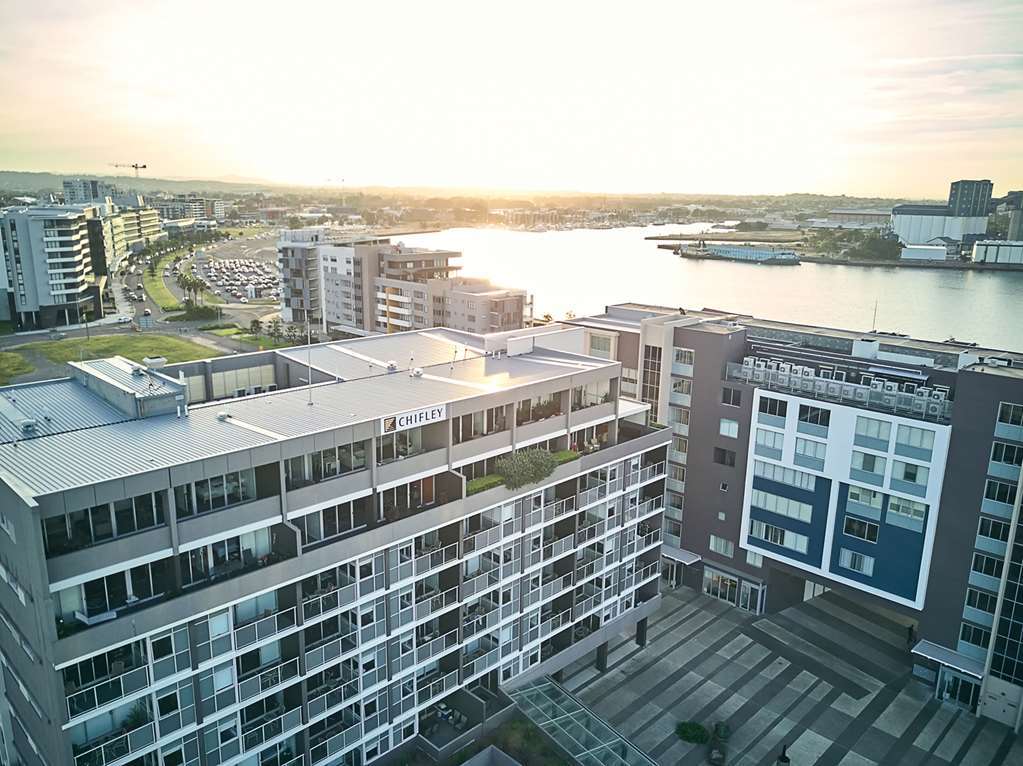
Remediation Management, Remediation Made Simple: The Project Manager Advantage

Remediation Made Simple: The Project Manager Advantage

By Heidi Kolatchew

Major building remediation works present a daunting challenge for strata and building managers. From identifying defects to seeing a complex project through to completion, the journey is paved with technical complexity, stakeholder concerns, regulatory hurdles, and relentless time pressures. In this landscape, project managers emerge as indispensable navigators, ensuring that what starts as a problem is resolved as an opportunity for improvement and renewed trust in the building’s future. 

The Project Manager’s Role: More Than Coordination 

Project managers are far more than administrative overseers. Their expertise lies in seeing the big picture while sweating the details, a unique skillset that bridges the gap between technical experts, building managers, committees, owners, residents, and contractors. By leveraging their experience, project managers help strata and building managers avoid pitfalls, anticipate challenges, and orchestrate a process that leads to successful outcomes for all stakeholders. 

    • Translating Complexity: Remediation projects involve layers of technical jargon and compliance requirements. Project managers decode this complexity for strata and building managers, ensuring everyone understands the “why” behind decisions and the “how” behind processes. 
    • Central Point of Contact: They become the linchpin for communication, fielding questions, providing updates, and ensuring information flows smoothly between consultants, contractors, owners, and residents. 
    • Driving Accountability: Timelines, deliverables, and responsibilities are clearly mapped out by the project manager, who also identifies and addresses bottlenecks before they become roadblocks. 


Early Engagement: Setting the Stage for Success 

The earlier a project manager is engaged in the remediation process, the greater the likelihood of success. Building managers and strata managers benefit enormously when a project manager is brought on board during the initial assessment and planning phase. Early involvement allows the project manager to: 

    • Determine what information is needed –  inspections, reports and testing – to inform the decision-making process and ensure the scope of the project addresses the underlying issues. 
    • Help select the right experts – engineers, architects, specialist consultants – tailored to the building’s unique needs. 
    • Develop a realistic project plan, factoring in the scope of works, regulatory requirements, stakeholder needs and risk management strategies. 
    • Establish open channels of communication from day one, setting clear expectations for all stakeholders. 
    • Clarify the roles and responsibilities of each party, reducing ambiguity and potential for conflict later on. 


Orchestrating the Remediation Journey: Key Phases 

Every remediation project can be broken down into a series of phases. The project manager’s guidance ensures that each step is navigated with foresight and professionalism.

  1. Investigation and Scoping
    • Defect Identification: Project managers help commission and review expert reports to properly diagnose building issues, ensuring the scope is based on facts, not speculation. 
    • Stakeholder Briefings: They organise and chair meetings to update owners and committees, providing clarity on what has been discovered and the next steps. 
  1. Strategy and Planning

    • Prioritising Works: Not all remediation tasks need to be tackled at once. Project managers help stratify works based on urgency, budget, and potential impact while avoiding potential re-work and duplication of effort. 
    • Budgeting and Funding: They prepare cost plans, assist with funding strategies (including levy planning, special assessments, or insurance claims), and keep finances transparent through clear reporting. 
    • Risk Management: Proactive risk identification and mitigation planning are core functions, minimising surprises and ensuring compliance with legal and safety obligations. 
  1. Design and Procurement

    • Managing Design Teams: Project managers coordinate the work of architects, engineers, and designers, ensuring that solutions are both practical and cost-effective and in line with statutory requirements. They will seek quotes, assess proposals, engage and manage the consultant team, and review all outputs against the project objectives. 
    • Tendering and Contractor Selection: They run procurement processes fairly and transparently, helping strata and building managers select the right contractors and delivery methods. 
    • Contract Preparation and Review: Project managers play a pivotal role in drafting, negotiating, and coordinating construction contracts. They work closely with legal advisors to ensure all agreements comprehensively cover project scope, timelines, payment milestones, statutory obligations, warranties, and dispute resolution mechanisms. 
  1. Construction and Delivery

    • Site Coordination: Project managers oversee day-to-day site activities, monitor progress, and ensure adherence to quality, safety, and regulatory standards. 
    • Stakeholder Updates: Regular communication with residents and owners minimises disruption and maintains trust throughout the construction phase. 
    • Change Management: Inevitably, issues arise. Project managers are skilled at handling change requests, scope adjustments, and unanticipated challenges without losing momentum. 
  1. Completion, Handover, and Defects Liability

    • Practical Completion: Project managers ensure that works are finished to specification, all compliance documents are obtained, and relevant authorities sign off on the project. 
    • Resident Reoccupation: They help coordinate the smooth return or continued occupancy of residents, ensuring any outstanding issues are addressed promptly. 
    • Defects Liability Period: Project managers track and manage the defects liability period, facilitating swift rectification of any post-handover issues. 


Communication: The Glue Holding It All Together 

One of the greatest values a project manager brings is clear, consistent, and transparent communication. For strata and building managers, this means: 

    • Timely updates on progress, issues, and decisions – reducing uncertainty and anxiety among owners and residents. 
    • Facilitated stakeholder meetings, where concerns can be aired and resolved constructively. 
    • Clear documentation – meeting minutes, action logs, and progress reports – that create a record of accountability and decisions made. 


Navigating Approvals and Compliance 

Major remediation works are subject to a web of legislative and regulatory requirements. Project managers help strata and building managers: 

    • Understand and meet local building codes, planning permits, and strata scheme obligations. 
    • Liaise with legal advisors, government agencies, and regulators to secure necessary approvals and certifications. 
    • Demonstrate compliance throughout the project, protecting the committee and owners from future liability. 


The Human Side: Supporting Owners and Residents

Remediation projects impose real stress, not just on managers, but on everyone who calls the building home. Project managers recognise the human impact, helping strata and building managers: 

    • Develop communication plans that are empathetic and informative, keeping all parties aware of timelines, disruptions, and expected outcomes. 
    • Coordinate temporary relocations or access arrangements as required, minimising inconvenience for residents. 
    • Respond swiftly to concerns or complaints, defusing tensions and maintaining goodwill even in challenging circumstances.


Lessons Learned and Continuous Improvement 

A project manager’s job doesn’t end with the final sign-off. Post-project reviews, lessons learned sessions, and follow-up reporting help strata and building managers: 

    • Identify what went well and areas for improvement, so future projects benefit from accumulated experience. 
    • Capture documentation and maintenance guides that support ongoing building health and compliance. 
    • Ensure owners corporations have the knowledge and tools to manage their asset confidently going forward. 
Remediation Management, Remediation Made Simple: The Project Manager Advantage

Conclusion: The Value of Expert Guidance 

Major building remediation works can be intimidating, but with an experienced project manager guiding the way, strata and building managers are empowered to deliver outcomes that safeguard the building’s value and the community’s quality of life. By demystifying processes, coordinating myriad moving parts, ensuring compliance, and placing people at the heart of every decision, project managers make all the difference between chaos and clarity. 

When tackling your next remediation challenge, consider engaging a project manager early – and see your project through to success, one expertly managed step at a time. 

Remediation Management, Remediation Made Simple: The Project Manager Advantage

Heidi Kolatchew

Senior Project Manager

Contact our expert in remediation management

heidik@vertexpm.com.au  |  +61 419 949 295 

This website uses cookies
We use cookies to personalise content and ads, to provide social media features and to analyse our traffic. We also share information about your use of our site with our social media, advertising and analytics partners who may combine it with other information that you’ve provided to them or that they’ve collected from your use of their services.